Wednesday, April 22, 2015
April Showers Bring May......
 11:08 AM |
 Posted by
Kaplan Center for Health and Wellness
By: Jeanette Andrade, PhD, RDN, LDN

Mushrooms. What? As we likely know the saying ends with flowers, but
rain brings much more than just flowers and one of the great plants that pop up
with a lot of rain are mushrooms. I recently watched a TED talk: Paul Stamets-
6 ways mushrooms can save the world (http://www.ted.com/talks/paul_stamets_on_6_ways_mushrooms_can_save_the_world?language=en)
and was instantly intrigued as I LOVE mushrooms. I think my fascination with
mushrooms came about when I was about 14 years old and diving more into the
vegetarian lifestyle. My mom would buy the typical types of mushrooms for me
such as the white mushrooms and Portobello, but did you know there are about
100 edible mushrooms (Brassfield, 2008)? Each of these edible mushrooms may
contain different health benefits such as white mushrooms can potentially help
one to lose weight and reduce the risks for prostate cancer. On the other hand,
shitake mushrooms may help fight tumor growth (Mercola, 2013). Beyond the
health benefits that mushrooms provide, they also contain necessary
micronutrients such as riboflavin and niacin, selenium, copper, and potassium
(Fresh Mushrooms). So as Paul stated in his Ted talk, go out and plant a garden
full of different varieties of mushrooms. They may not only save the planet,
but also improve your health! If you are an adventurous person and like to try
out different recipes, try this awesome mushroom recipe obtained from
EatingWell (2013):
Cabbage
and Mushroom Galette
Ingredients
Pastry Dough
- 3 tablespoons butter
- 1 cup white whole-wheat flour
- 1 cup all-purpose flour, plus more for rolling
- 1/2 teaspoon salt
- 1/4 teaspoon freshly ground pepper
- 2/3 cup reduced-fat cream cheese (Neufchâtel)
- 3 tablespoons canola oil
- 2 tablespoons cold low-fat milk
Filling
- 3 tablespoons extra-virgin olive oil, divided
- 2 medium yellow onions, sliced
- 1/2 head Savoy cabbage (1-1 1/4 pounds), very thinly sliced
- 1 teaspoon salt, divided
- Freshly ground pepper to taste
- 6 portobello mushroom caps (about 1 1/4 pounds)
- 3 large cloves garlic, chopped
- 2 teaspoons fresh thyme or 1 teaspoon dried
- 1/4 cup dry sherry or Marsala (see Tips)
- 4 ounces crumbled queso fresco or feta cheese
Preparation
- To prepare pastry dough: Melt butter in a small saucepan over medium heat. When it starts bubbling, cook, stirring and watching carefully so it doesn’t burn, until golden brown, 2 to 6 minutes. Transfer to a metal bowl and refrigerate until solid again, 25 to 30 minutes.
- Combine whole-wheat flour, all-purpose flour, 1/2 teaspoon salt and 1/4 teaspoon pepper in a food processor. Pulse once or twice to mix. Cut the butter and cream cheese into pieces; add and pulse until the mixture resembles coarse meal. Add canola oil and pulse until it looks like wet sand. Add milk and pulse until small clumps form.
- Transfer the dough to a sheet of parchment paper and press into a ball, then press the ball into a disk about 8 inches wide. Wrap in the parchment and refrigerate for at least 1 hour and up to 1 day before rolling out.
- To prepare filling: Heat 2 tablespoons olive oil in a large skillet over high heat. Add onions; cook, stirring, until translucent, 4 to 6 minutes. Add cabbage and 1/2 teaspoon salt (if necessary, add half the cabbage and cook it down for a minute or two before adding the rest). Reduce heat to medium and cook, stirring often, for 10 minutes. Then reduce heat to low, cover and cook, stirring occasionally, until greatly reduced and golden, 40 to 50 minutes. Season with a dash of pepper.
- Meanwhile, scrape gills from mushroom caps; cut the caps into 1-inch pieces. Heat the remaining 1 tablespoon oil in another large skillet over medium-high heat. Cook garlic, stirring, for 1 minute. Add the mushrooms, thyme and the remaining 1/2 teaspoon salt. Cook, stirring often, until the mushrooms are tender and beginning to brown, about 10 minutes. Add sherry (or Marsala); cook, stirring, until it cooks away, about 1 minute. Add the mushrooms to the cabbage.
- Preheat oven 400°F.
- To roll out pastry: Dust a sheet of parchment paper, and the dough, with flour. Roll the dough out into a 15-inch circle. Go slowly and if it cracks just press the pieces together. Dust with flour as needed and keep the circle as even as you can, but don’t worry about rough edges.
- To assemble & bake: Spread the cabbage-mushroom mixture over the pastry, leaving a 2-inch border. Use the parchment to lift the edges of the pastry and fold loosely over the filling in 2- or 3-inch sections. It may crack as you fold it, but that’s fine. Transfer the galette, parchment and all, onto a baking sheet. Trim off overhanging parchment.
- Bake the galette for 20 minutes. Sprinkle with queso fresco. Continue baking until the cheese is melted and the pastry is lightly browned, 15 to 20 minutes more.
- Let cool at least 15 minutes on the baking sheet. Lift parchment and galette onto a platter; slide the parchment out. Serve hot, warm or at room temperature.
Tips & Notes
- Make Ahead Tip: Refrigerate pastry dough for up to 1 day or freeze airtight for up to 3 months; thaw overnight in the refrigerator. Let stand at room temperature for 10 minutes before rolling.
- Tips:
- White whole-wheat flour, made from a special variety of white wheat, is light in color and flavor but has the same nutritional properties as regular whole-wheat flour. It is available at large supermarkets and natural-foods stores and online at bobsredmill.com or kingarthurflour.com. Store it in the freezer.
- Marsala, a fortified wine from Sicily, is a flavorful addition to many sauces. Don’t use the “cooking Marsala” sold in many supermarkets—it can be surprisingly high in sodium. Instead, purchase Marsala that’s sold with other fortified wines in your wine or liquor store. An opened bottle can be stored in a cool, dry place for months.
Nutrition
Per serving: 359 calories; 19 g fat (7 g sat,
9 g mono); 27 mg cholesterol; 38 g carbohydrates; 0 g added sugars; 10 g
protein; 6 g fiber; 577 mg sodium; 597 mg potassium.
Nutrition Bonus: Vitamin C (37% daily value),
Folate (28% dv), Iron (20% dv), VItamin A (18% dv), Potassium (17% dv)

Brassfield, M. (2008). Gourmet Edible Mushrooms. Lifescript. Retrieved from http://www.lifescript.com/food/articles/g/gourmet_edible_mushrooms.aspx?gclid=CLn_laHk7sQCFWPl7AodGm8AxA&trans=1&ef_id=F4JP7RK-2GIAABnb:20150411173234:s
EatingWell (2013). Cabbage and
Mushroom Galette. Retrieved from http://www.eatingwell.com/recipes/cabbage_mushroom_galette.html
FreshMushrooms. Benefits. Retrieved
from http://mushroominfo.com/benefits/
Mercola, J. (2013). The Health Benefits of Mushroom Consumption. Mercola. Retrieved from http://articles.mercola.com/sites/articles/archive/2013/05/13/mushroom-benefits.aspx


Tuesday, April 21, 2015
The Splendor of Spinach
10:24 PM |
Posted by
Kaplan Center for Health and Wellness
Written By:
Sara Police, PhD
School of Health Sciences
Spinach
is one of my all-time favorite vegetables.
It’s growing in my garden, it’s in my refrigerator, and I’ve already had
a glass full this morning. That’s right –
a glass full! In today’s post, you will learn
the nutritional benefits behind Pop-eye’s favorite and see a few of my all-time
favorite spinach recipes.
Spinach: A Nutritional Powerhouse
Here’s
the nutritional breakdown for one cup of raw spinach:
27
calories
30
milligrams Calcium
167
milligrams Potassium
2813
IU Vitamin A
585
micrograms Folate
Documented
health benefits associated with eating spinach include diabetes management,
cancer prevention, protection of bone health and lowering blood pressure, among
others. Learn more at Medical NewsToday: What are the health benefits of spinach?
Incorporate
more spinach into your diet by substituting spinach for lettuce in salads and
sandwiches, adding spinach to soups and casseroles or throwing a handful into a
smoothie (see an example recipe below).

Spinach & Banana Smoothie
1
frozen banana
1.5-2
cups fresh spinach
1 cup
light coconut milk (or other preferred milk)
1-2
TBSP sunflower, peanut or almond butter
Directions:
Directions:
Place
ingredients into blender and blend until smooth. Add ice or additional milk/water to adjust consistency. You could even sneak some yogurt or honey in this
recipe for additional health benefits, as discussed in my last post.

Spinach & Strawberry Salad
1 TBSP
sesame seeds
1 TBSP
poppy seeds
½ c.
sugar (or honey)
½ c.
olive oil
¼ cup
white vinegar
¼ tsp Worcestershire
sauce
1 TBSP
minced onion
10
ounces fresh spinach, rinsed, dried, torn into bite-size pieces
1
quart strawberries, cleaned, hulled and sliced
¼ cup
almonds, slivered or chopped
Directions:
In a medium bowl, whisk together the
sesame seeds, poppy seeds, sugar, olive oil, vinegar, paprika, Worcestershire
sauce and onion. Cover, and chill for 1 hr.
In a large bowl, combine the spinach, strawberries and almonds. Pour dressing over salad, and toss. Refrigerate 10 to 15 minutes before serving.
In a large bowl, combine the spinach, strawberries and almonds. Pour dressing over salad, and toss. Refrigerate 10 to 15 minutes before serving.

Simple Spinach Saute
This
recipe is so simple, I don’t even need to list ingredients!
Heat
up 1 TBSP coconut oil in a large saute pan.
Add a top of spinach (more than you think you will eat!). Let the heat wilt/cook the spinach down. Add a touch of salt and pepper. Pull it off the heat just before all the
spinach has wilted (the heat will continue to wilt - it will be perfect by the
time it hits your plate). This is a 5
minute recipe.
Enjoy! (Photo courtesy of G*free*ology.)
Sunday, April 19, 2015
Cold Remedy Smoothies
6:41 AM |
Posted by
Kaplan Center for Health and Wellness
Written By:
Sara Police, PhD
School of Health Sciences
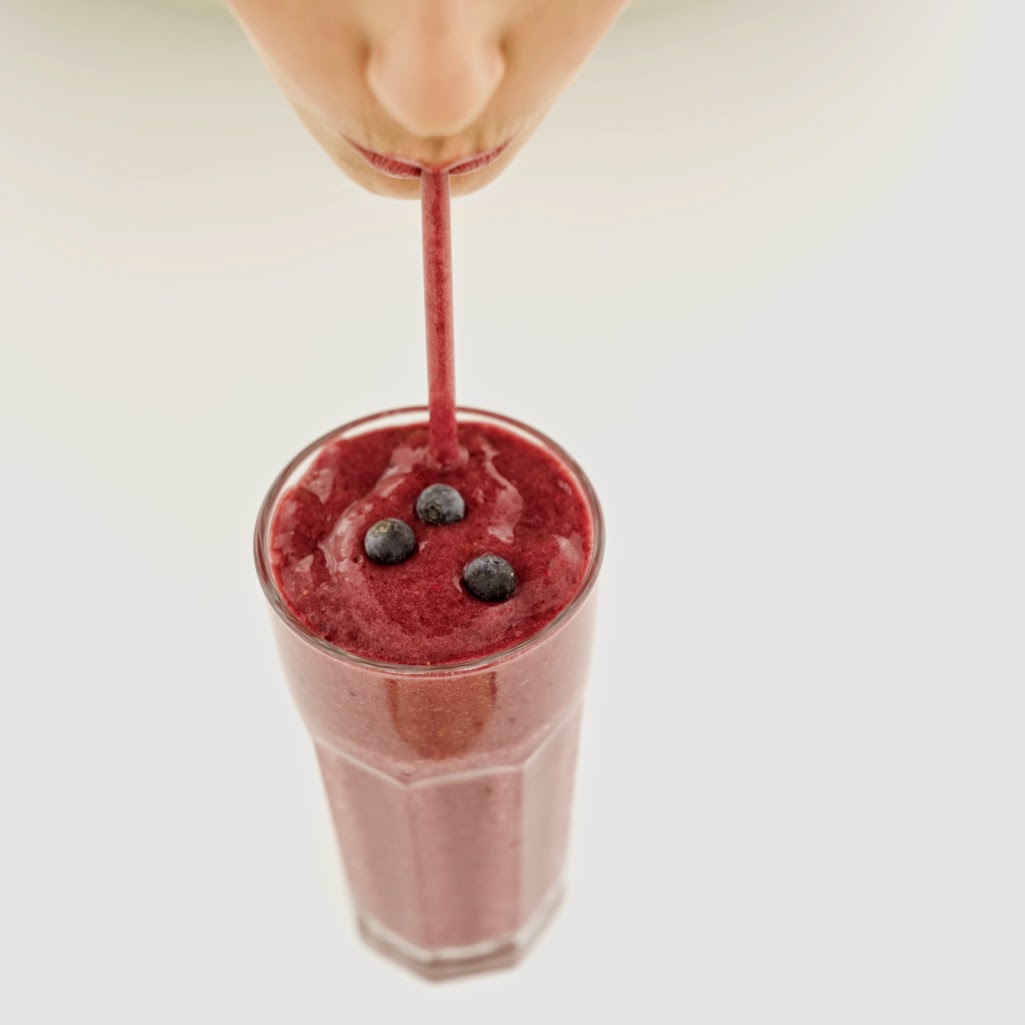
Chicken soup, plenty of water and extra rest are natural remedies for a common cold. However, extra vitamins and minerals can also be helpful when you get sick. If you don't have the time or means to prepare chicken soup, consider adding vitamin-rich ingredients to your blender and make a cold-fighting smoothie.
Up Your Dose of Vitamin D
According to a 2012 article published on the Vitamin D Council Website, Vitamin D supplementation may help prevent the common cold. In 4 of 5 controlled clinical trials discussed, vitamin D supplementation significantly reduced the incidence of upper respiratory infections (Vitamin D Council). To up your vitamin D intake naturally, use D-enriched milks or orange juice when making smoothies. Dairy-free milks, such as soy, coconut or almond milk may also be fortified with vitamin D. Consider adding up to a tablespoon of cod liver oil, which provides 1,360 IU -- or 340 percent the recommended daily value -- to super boost vitamin D intake (NIH, Vitamin D).

Zap A Cold With Zinc
A 2013 Cochrane review identified 18 controlled trials that showed a reduction in the average duration of a common cold when zinc was taken within the first 24 hours of onset of symptoms (Das, 2013). These foods are naturally rich in zinc: beef, lamb, oatmeal, sesame and pumpkin seeds, almonds and cashews. Tahini -- or ground sesame seeds -- is frequently found in hummus recipes. This rich source of zinc can also be made into a cold-fighting-- and delicious -- smoothie when blended with cashew or almond milk, honey, a dash of cinnamon and ice cubes. Substitute a frozen banana for the ice cubes to add sweet creaminess. (NIH, Zinc)

Honey's Health Benefits
According to a 2014 review published in the American Journal of Therapeutics, honey's medicinal properties have been recognized for over 2,500 years. Several in-vitro and limited clinical studies have confirmed its antibacterial, antifungal and antiviral properties (Israili, 2014). Let honey fight your next cold -- add a teaspoon or more to a smoothie recipe.

Cold-fighting Power in Probiotics
According to a 2011 Cochrane review including 10 clinical trials, probiotics were more effective than placebo in preventing upper respiratory tract infections. Evidence from three of these clinical trials showed that probiotic treatment lessened the incidence of antibiotic prescriptions. (Hao, 2011) Consider adding natural source of beneficial bacteria such as yogurt or kefir to your smoothies. Or, freeze Greek yogurt into ice-pop molds, if your throat is very sore. Powdered probiotic supplements are also available and easily added to smoothies, but always check with your physician before using dietary supplements.
References
Vitamin D Council
National Institutes of Health: Vitamin D
Das, S. Zinc for the Common Cold. 2013. Cochrane Library.
National Institutes of Health: Zinc
Israili, ZH. Antimicrobial Properties of Honey. American Journal of Therapeutics 2014 21(4): 304-323.
Hao Q, Dong BR, and T Wu. Probiotics for Preventing Acute Upper Respiratory Tract Infections. 2015. Cochrane Library.
Sara Police, PhD
School of Health Sciences
Chicken soup, plenty of water and extra rest are natural remedies for a common cold. However, extra vitamins and minerals can also be helpful when you get sick. If you don't have the time or means to prepare chicken soup, consider adding vitamin-rich ingredients to your blender and make a cold-fighting smoothie.
Up Your Dose of Vitamin D
According to a 2012 article published on the Vitamin D Council Website, Vitamin D supplementation may help prevent the common cold. In 4 of 5 controlled clinical trials discussed, vitamin D supplementation significantly reduced the incidence of upper respiratory infections (Vitamin D Council). To up your vitamin D intake naturally, use D-enriched milks or orange juice when making smoothies. Dairy-free milks, such as soy, coconut or almond milk may also be fortified with vitamin D. Consider adding up to a tablespoon of cod liver oil, which provides 1,360 IU -- or 340 percent the recommended daily value -- to super boost vitamin D intake (NIH, Vitamin D).
Zap A Cold With Zinc
A 2013 Cochrane review identified 18 controlled trials that showed a reduction in the average duration of a common cold when zinc was taken within the first 24 hours of onset of symptoms (Das, 2013). These foods are naturally rich in zinc: beef, lamb, oatmeal, sesame and pumpkin seeds, almonds and cashews. Tahini -- or ground sesame seeds -- is frequently found in hummus recipes. This rich source of zinc can also be made into a cold-fighting-- and delicious -- smoothie when blended with cashew or almond milk, honey, a dash of cinnamon and ice cubes. Substitute a frozen banana for the ice cubes to add sweet creaminess. (NIH, Zinc)
Honey's Health Benefits
According to a 2014 review published in the American Journal of Therapeutics, honey's medicinal properties have been recognized for over 2,500 years. Several in-vitro and limited clinical studies have confirmed its antibacterial, antifungal and antiviral properties (Israili, 2014). Let honey fight your next cold -- add a teaspoon or more to a smoothie recipe.
Cold-fighting Power in Probiotics
According to a 2011 Cochrane review including 10 clinical trials, probiotics were more effective than placebo in preventing upper respiratory tract infections. Evidence from three of these clinical trials showed that probiotic treatment lessened the incidence of antibiotic prescriptions. (Hao, 2011) Consider adding natural source of beneficial bacteria such as yogurt or kefir to your smoothies. Or, freeze Greek yogurt into ice-pop molds, if your throat is very sore. Powdered probiotic supplements are also available and easily added to smoothies, but always check with your physician before using dietary supplements.
References
Vitamin D Council
National Institutes of Health: Vitamin D
Das, S. Zinc for the Common Cold. 2013. Cochrane Library.
National Institutes of Health: Zinc
Israili, ZH. Antimicrobial Properties of Honey. American Journal of Therapeutics 2014 21(4): 304-323.
Hao Q, Dong BR, and T Wu. Probiotics for Preventing Acute Upper Respiratory Tract Infections. 2015. Cochrane Library.
Subscribe to:
Posts (Atom)